
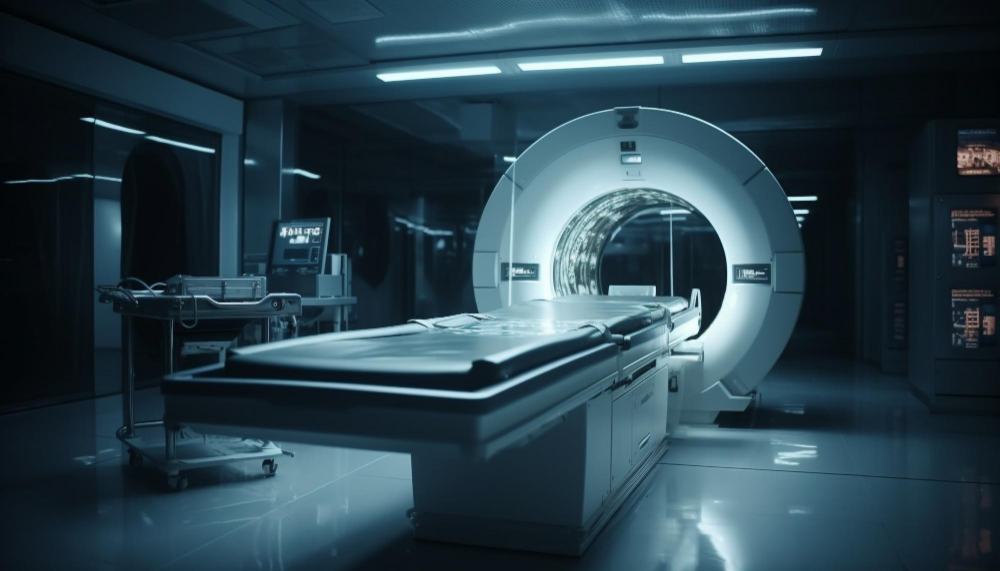
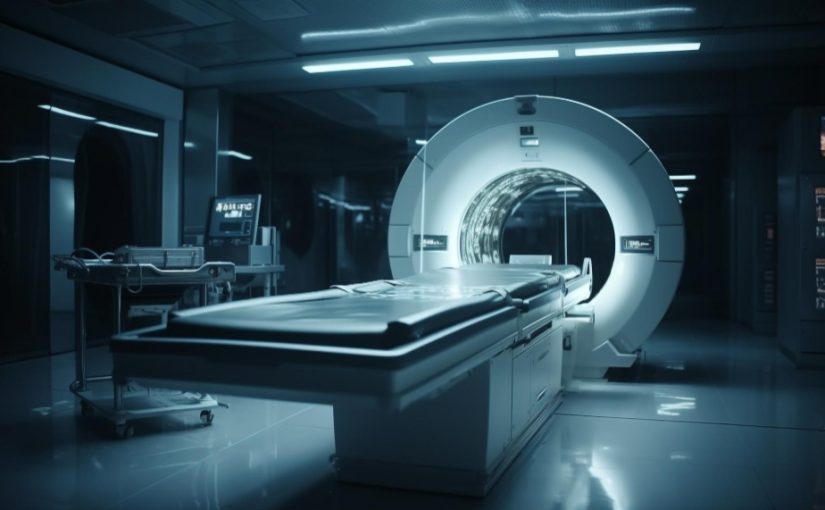
CT scans and Magnetic Resonance Imaging (MRI) have long served as the ultimate eyes of modern medicine. They allow doctors to look deep beneath the skin without making a single incision, detecting everything from hair-line bone fractures to complex neurological conditions. However, as incredible as traditional imaging technology has been, it has historically come with limitations: longer scan times, claustrophobic tunnels, radiation exposure concerns, and occasional diagnostic ambiguity in very early-stage diseases.
Artificial Intelligence (AI) is ushering in a quiet revolution across hospital radiology suites. By pairing supercomputers with advanced imaging machinery, smart scans are turning medical diagnostics into a faster, safer, and remarkably precise experience.
How AI is Transforming Medical Scans
When you enter a scanner, AI algorithms begin working behind the scenes long before a radiologist views the final image. Here are the key ways AI is improving CT and MRI technology:
1. Sharper Images with Lower Radiation
One major concern with conventional CT scans is X-ray radiation exposure. Historically, lowering the radiation dose meant accepting a grainier, less clear image. AI image reconstruction models change this balance entirely. Trained on millions of high-definition anatomical images, AI can remove background noise and reconstruct crystal-clear 3D scans from low-dose CT inputs. This provides top-tier clarity while keeping patient radiation exposure to an absolute minimum.
2. Faster MRI Scans (Less Time in the Tunnel)
MRI machines offer exceptional detail for brain, spine, and soft tissue analysis. The trade-off has always been time a standard MRI can take anywhere from 20 to 45 minutes, requiring patients to remain completely still. AI-powered MRI systems use deep learning to predict and reconstruct full-resolution images from significantly fewer data points. This shortens scan times by up to 50%, reducing patient discomfort without sacrificing image quality.
3. Early Detection of Microscopic Changes
Human eyes even those of highly experienced radiologists have natural limits. AI algorithms analyze micro-variations in tissue density and pixel patterns. This allows them to spot subtle anomalies such as tiny pulmonary nodules, early micro-strokes, or subtle tumors months or years before they become visible to the naked eye, giving doctors a head start on treatment.
4. Smart Motion Correction
Patient movement during a scan frequently leads to blurry images that require a repeat scan. AI algorithms act as a stabilizer, auto-correcting for natural bodily movements like breathing, heartbeats, or slight muscle shifts in real time.
Human Expertise Meets Artificial Intelligence
A common misconception is that AI will replace radiologists. In reality, AI acts as a sophisticated co-pilot.
When a scan is generated, AI pre-screens the image in seconds, flagging priority areas and highlight points for the specialist to review. The radiologist then reviews these highlighted scans alongside clinical history to make a definitive diagnosis. This hybrid model minimizes human fatigue, reduces diagnostic errors, and drastically cuts down turnaround times for critical medical reports.
Access World-Class Imaging at the Best Diagnostic Center in Nanded
Advanced technology requires expert clinical guidance to truly benefit patient health. Getting an accurate, timely diagnostic report can change the entire trajectory of medical care.
If you or a loved one require advanced radiology services, trust the Best Diagnostic Center in Nanded. At Sunrise Global Superspeciality Hospital, state-of-the-art multi-slice CT scanning and high-field MRI equipment are backed by experienced radiologists and clinical teams. Their comprehensive diagnostic department delivers rapid, precise, and patient-focused imaging to help doctors plan effective treatments quickly.
To explore modern diagnostic imaging services or schedule your appointment online, visit sgshospital.in.
Frequently Asked Questions (FAQs)
Does AI replace the radiologist during my CT or MRI scan?
No. AI acts as an assistant to the medical team. It processes images quickly to highlight areas that require attention, but a qualified radiologist makes the final diagnosis.
Are AI-powered CT scans safer for patients?
Yes. AI algorithms enable high-definition image reconstruction from low-dose CT inputs, allowing doctors to obtain clear diagnostic images while exposing patients to less radiation.
Can AI help if I get anxious or move during an MRI?
Yes. AI-assisted MRI machines reduce total scan times significantly and use real-time motion correction to fix minor image blurs caused by breathing or movement, helping you avoid repeated scans.
Where can I get advanced CT and MRI scans in Nanded?
You can access advanced radiology services at Sunrise Global Superspeciality Hospital, equipped with modern CT and MRI technologies supported by expert medical specialists.