

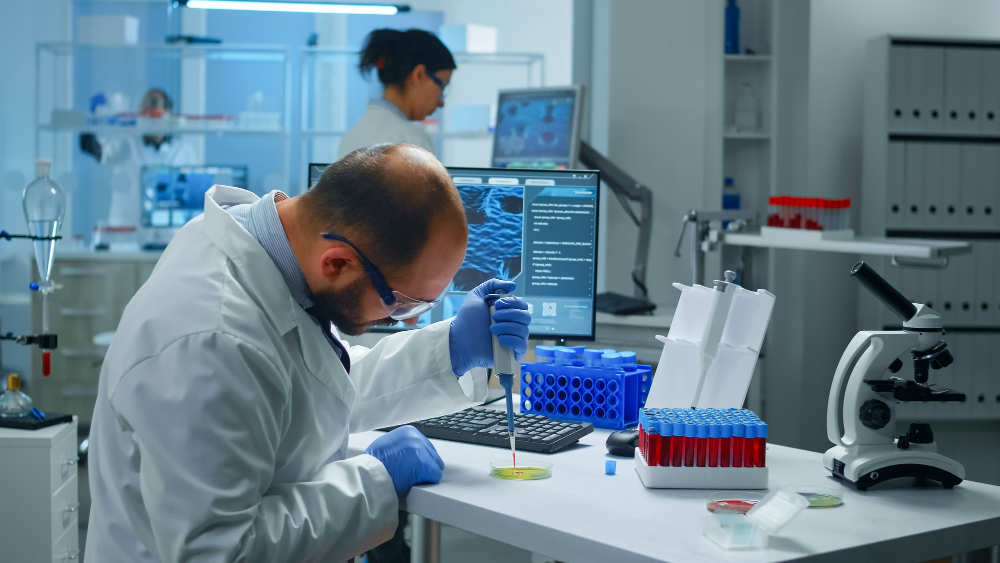
Proper health begins with the right diagnosis. Prior to starting any treatment, doctors depend on tests to find out what is causing their patient’s symptoms. These tests are useful for diagnosing problems early, following the course of illness, and choosing the best treatment practices, be it in a regular health examination or a specific medical investigation.
Acquainting yourself with the example and most common diagnostic tests will give you a better understanding of your health needs and help you know when and what medical tests are needed.
Why Are Diagnostic Tests Important?
Diagnostic tests provide important information about your health status. They help healthcare professionals:
- Identify illnesses in their early stages
- Find out the reason behind the symptoms
- Monitor chronic illnesses
- Assess the efficacy of a treatment
- Avoid complications by making timely diagnosis
In many cases, appropriate treatment begins because a disease was diagnosed early.
Most Common Diagnostic Tests You Should Know About
1. Complete Blood Count (CBC)
The Complete Blood Count (CBC) is considered one of the most routine tests in relation to blood. It helps evaluate levels of red blood cells, white blood cells, hemoglobin, and thrombocytes. This test is used for the diagnosis of infections, anemia, inflammation and number of blood-related diseases.
2. Blood Sugar Test
Blood sugar test measures the concentration of glucose in the blood. It has a special significance in diagnosing and monitoring diabetes. Regular blood sugar testing helps doctors adjust treatment in order to avoid complications associated with diabetes.
3. Lipid Profile
A lipid profile is a test that determines the concentration of cholesterol and triglycerides. The test is necessary for determining the risk of heart disease or stroke. It is recommended that adults undergo regular cholesterol tests if their family members have suffered from heart–related diseases.
4. Liver Function Test (LFT)
Liver Function Tests test the enzymes and proteins and reflect the performance of the liver in carrying out its functions. The tests are useful in identifying liver infections as well as fatty liver diseases and hepatitis.
5. Kidney Function Test (KFT)
Kidney Function Tests test the ability of the kidney to filter wastes from the blood. The tests are important to diagnose kidney illnesses and control patients suffering from high blood pressure and diabetes.
6. Ultrasound Scan
Ultrasound imaging produces images by using sound waves and is primarily employed to assess the condition of the abdomen, liver, kidneys, thyroid, and reproductive organs without any risk of radiation.
7. X-Ray Examination
X-rays are helpful for diagnosing different problems, from fractures, pneumonia, arthritis, to other bone or lung diseases. X-ray procedure is fast and easy to access, providing valuable input into making diagnosis.
8. CT Scan and MRI
CT scans and MRI scans create high–resolution pictures of internal organs, bones, blood vessels, and soft tissues. These sophisticated imaging methods help physicians provide an accurate diagnosis of complicated medical disorders.
Choosing the Right Diagnostic Center
It is necessary to choose a reliable diagnostic center to gain reliable results. The Best Diagnostic Center in Nanded employs qualified medical staff, first–class laboratory equipment, the latest medical imaging technology, and the highest standards of quality to provide trusted results.
If you are searching for trustworthy healthcare services, Sunrise Global Superspeciality provides high–quality diagnostic treatment in one place, the Best Diagnostic Center in Nanded. Thanks to advanced machinery, qualified technicians, and good customer service, the clinic aims to provide timely and accurate diagnostic services as a basis for informed medical decision–making.
Tips Before Undergoing Diagnostic Tests
To ensure accurate results, it is advised to:
- Follow your doctor’s instruction on preparation.
- If required, abstain from eating before blood tests.
- Drink water except advised otherwise.
- Inform your doctor about medications currently taken.
- Have previous medical records available if needed for comparison.
Good preparation contributes to better results and avoids necessity of repeating tests.
Conclusion
The most important reason to use diagnostic testing is that it allows healthcare providers to be effective. From simple blood tests to sophisticated imaging techniques, they allow for the swift detection of diseases, monitoring of medical conditions, and selection of the appropriate treatment. Therefore, it is important to find a reliable healthcare provider. If you are looking for high-quality diagnostic services, Sunrise Global Superspeciality offers cutting-edge diagnostic techniques with a focus on quality, speed, and caring for patients.
Frequently Asked Questions
Ques-1. What is the most commonly used diagnostic test?
Ans- Complete Blood Count (CBC) is a common test that provides information about general health and helps in the diagnosis of conditions such as infections and anemia.
Ques-2. How often should I have regular health checkups?
Ans- Most adults need regular health checkups once in a year. Depending on your age, health conditions, and medical history, doctors may advise the need for carrying out routine tests.