

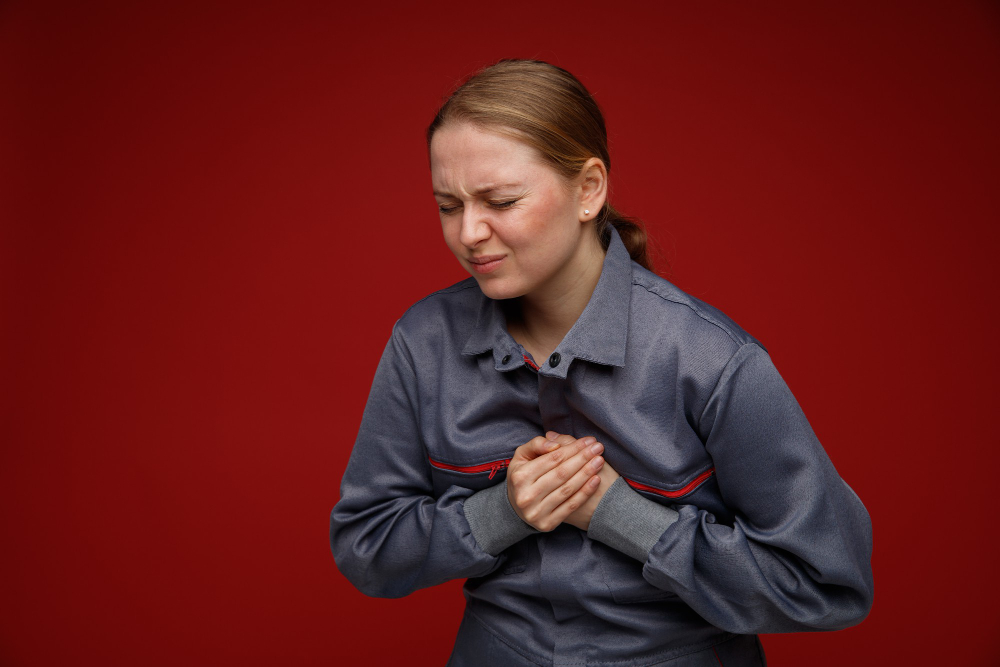
Palpitations are a sensation of your heart beating faster than usual, fluttering in your chest, or skipping a beat for a moment. They can occur while resting, exercising, feeling nervous, or even without an obvious reason. Although palpitations are often harmless, they may sometimes indicate an underlying heart rhythm problem that requires medical attention.
Understanding the possible causes, warning signs, and available treatment options can help you make informed decisions about your heart health.
What Are Heart Palpitations?
Heart palpitations are sensations that make you unusually aware of your heartbeat. You may feel that your heart is racing, pounding, fluttering, or beating irregularly. Some people experience these sensations in their chest, while others notice them in their neck or throat.
Palpitations may last for a few seconds or several minutes. They can occur occasionally or repeatedly throughout the day. In many cases, they are not dangerous, particularly when they happen briefly and without other symptoms. However, frequent or unexplained episodes should not be ignored.
What Causes Heart Palpitations?
Several everyday activities and health conditions can trigger heart palpitations. Identifying the cause is an important step towards managing them effectively.
1. Stress and Anxiety
Emotional stress, nervousness, and anxiety can stimulate the body’s stress response, increasing your heart rate. Palpitations may occur during stressful situations or panic attacks.
2. Caffeine and Nicotine
Excessive consumption of coffee, energy drinks, and other caffeinated beverages may trigger palpitations in some individuals. Nicotine can also affect heart rate and blood pressure.
3. Lack of Sleep
Insufficient sleep can affect the body’s normal functioning and may contribute to an irregular or unusually noticeable heartbeat.
4. Dehydration
When your body loses too much fluid, changes in blood volume and electrolyte balance can affect your heartbeat. Drinking enough water and maintaining proper hydration can help prevent dehydration-related symptoms.
5. Hormonal Changes
Pregnancy, menopause, and thyroid disorders can influence heart rate and contribute to palpitations.
6. Heart Rhythm Disorders
Conditions such as atrial fibrillation and other arrhythmias can cause irregular, rapid, or unusually slow heartbeats. These conditions may require medical evaluation and appropriate treatment.
Are Heart Palpitations Harmless?
In many cases, yes. Occasional palpitations caused by stress, caffeine, physical activity, or lack of sleep may not indicate a serious medical problem. They often settle once the triggering factor is addressed.
However, it is not possible to determine whether palpitations are harmless based on the sensation alone. Repeated episodes, symptoms that occur without an obvious trigger, or palpitations accompanied by dizziness and breathlessness need medical assessment.
People with existing heart disease, high blood pressure, diabetes, or a family history of certain heart conditions should be particularly attentive to recurring symptoms.
When Should You Seek Medical Attention?
Knowing when to seek help is essential for protecting your heart health.
Consult a doctor if you experience:
- Frequent or recurring heart palpitations.
- Episodes that last longer than usual.
- Palpitations accompanied by unusual tiredness or weakness.
- Dizziness or a feeling that you might faint.
- An unusually fast or irregular heartbeat while resting.
Seek emergency medical care immediately if palpitations occur with chest pain or pressure, severe shortness of breath, fainting, or significant dizziness. These symptoms may indicate a serious condition and should not be ignored.
How Are Heart Palpitations Diagnosed?
A doctor may ask about your symptoms, medical history, lifestyle, medications, and family history. The evaluation helps identify possible triggers and determine whether further testing is necessary.
Common investigations include:
- Electrocardiogram (ECG): Records the heart’s electrical activity and may identify rhythm abnormalities.
- Holter monitoring: Tracks the heartbeat continuously, often over 24–48 hours or longer, to detect intermittent problems.
- Blood tests: May help identify thyroid disorders, anaemia, or electrolyte imbalances.
- Echocardiography: Uses ultrasound to assess the heart’s structure and pumping function when indicated.
The tests recommended will depend on your symptoms and clinical assessment.
How Can You Reduce Heart Palpitations?
Simple lifestyle changes may help reduce palpitations when they are triggered by everyday factors.
- Limit caffeine and energy drinks if they trigger symptoms.
- Maintain a consistent sleep schedule.
- Drink enough water throughout the day.
- Practise relaxation techniques, such as slow breathing or meditation.
- Avoid smoking and nicotine products.
- Follow your prescribed treatment plan for existing medical conditions.
Do not stop prescribed medication or take heart medicines without consulting your doctor. If palpitations continue despite lifestyle changes, arrange a medical evaluation.
Consult the Best Cardiologist in Surat for Heart Health
Recurring heart palpitations deserve proper attention, even when they appear mild. A qualified cardiologist can evaluate your symptoms, identify possible underlying causes, and recommend suitable investigations or treatment based on your condition.
If you are experiencing unexplained palpitations or other heart-related symptoms, consulting the Best Cardiologist in Surat can help you understand your heart health and determine the next steps. Dr Rahul Katariya can be considered for a cardiology consultation to discuss your concerns and the appropriate evaluation for your symptoms.
Remember that the right approach depends on the cause of your palpitations. Early assessment can help identify rhythm abnormalities and other medical conditions that may require treatment.
Final Thoughts
Heart palpitations are common and are often related to temporary triggers such as stress, caffeine, dehydration, or inadequate sleep. Nevertheless, recurring episodes or palpitations accompanied by warning signs may indicate an underlying medical condition. Sunrise Global Hospital provides medical care to help patients understand their symptoms and seek appropriate evaluation when needed.
Pay attention to your symptoms, maintain healthy daily habits, and seek medical advice when needed. If you experience chest pain, fainting, or severe breathing difficulties alongside palpitations, seek emergency care rather than waiting for a routine appointment.
Frequently Asked Questions (FAQs)
Q1. Are heart palpitations harmless?
Heart palpitations are often harmless and may occur due to stress, caffeine, dehydration, or lack of sleep. However, frequent palpitations or those accompanied by chest pain, dizziness, or breathlessness require medical evaluation.
Q2. What are the common causes of heart palpitations?
Common causes include anxiety, stress, excessive caffeine, nicotine, dehydration, lack of sleep, hormonal changes, thyroid disorders, and heart rhythm abnormalities.
Q3. When should I worry about heart palpitations?
You should seek medical attention if palpitations occur frequently, last longer than usual, or are accompanied by weakness or dizziness. Seek emergency care if you experience chest pain, fainting, or severe shortness of breath.
Q4. Can stress and anxiety cause heart palpitations?
Yes, stress and anxiety can trigger the body’s stress response, increasing your heart rate and causing sensations such as a racing, pounding, or fluttering heartbeat.